
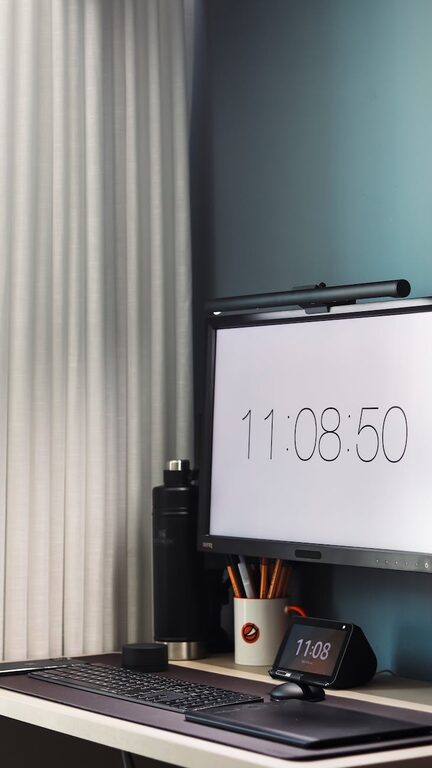
Tips for Creating a Relaxing Home Workspace to Boost Productivity
Creating a home workspace that is both relaxing and productive can make a significant difference to how you work and feel throughout the day. When your environment supports concentration and calmness, tasks become easier, stress levels decrease, and motivation increases. Whether you are working from home full-time or occasionally, taking time to design a workspace that promotes relaxation can help boost your productivity.
In this post, we’ll explore practical tips to help you create a home workspace that feels inviting and encourages focus.
Choose the Right Location
Find a Quiet Spot
Select a place in your home with minimal distractions. Ideally, this should be a quiet corner or a separate room where you can close the door if needed. Avoid high-traffic areas where noise and interruptions are common.
Consider Natural Light
Natural daylight not only brightens your space but also helps regulate your body clock. Choose a spot near a window to benefit from sunlight during the day. If that’s not possible, invest in bright, full-spectrum artificial lighting that mimics daylight.
Invest in Comfortable Furniture
Ergonomic Chair and Desk
Comfort is key for long periods of work. Use an ergonomic chair that supports your back and allows you to sit with good posture. Your desk should be at a height that enables your arms to rest comfortably while typing.
Desk Organisation
Keep your desk tidy and clutter-free. Use storage solutions like trays, shelves, or organisers to store supplies and keep only necessary items on your desk. A clean area can greatly reduce stress and help you focus.
Personalise Your Space
Soothing Colours
Colour impacts mood and productivity. Use calming shades such as soft blues, greens, or neutral tones to create a serene atmosphere. You can paint walls, use accessories, or add artworks in these colours.
Add Greenery
Plants have a relaxing effect and can improve air quality. Even a small plant like a succulent or peace lily can bring life to your workspace. Choose low-maintenance plants if you don’t have much time for care.
Minimise Distractions
Manage Noise Levels
Consider adding noise-cancelling headphones or playing soft background music or white noise if ambient sounds distract you. Alternatively, use rugs, curtains, and cushions to absorb sound in the room.
Limit Visual Clutter
Keep only work-related items in your workspace. Remove unrelated electronic devices like televisions or gaming consoles to avoid temptation.
Maintain Good Air Quality and Temperature
Fresh air and a comfortable temperature are essential for concentration. If possible, open a window regularly to let in fresh air. Use a fan or heater to maintain a temperature around 20-22°C (68-72°F), which is generally comfortable for most people.
Create a Routine and Boundaries
Set Working Hours
Designate specific working times and stick to them. This helps your brain associate the workspace with work, maintaining focus during those periods.
Take Regular Breaks
Incorporate short breaks to stretch, move, and rest your eyes. Use techniques like the Pomodoro method—working for 25 minutes, then taking a 5-minute break—to sustain energy.
Keep Work and Personal Life Separate
Avoid working in areas used primarily for relaxation or sleep, such as your bed or living room sofa. This helps maintain a healthy boundary and improves relaxation outside work hours.
Use Tools to Support Productivity
Track Tasks
Use planners, to-do lists, or digital apps to organise your day. This reduces mental clutter and helps you stay on track.
Maintain Good Lighting for Screen Work
Position your screen to avoid glare and use desk lamps with adjustable arms. Eye comfort is important to avoid strain, especially when working for hours on a computer.
Incorporate Mindfulness and Comfort Elements
Use Aromatherapy
Pleasant scents like lavender or chamomile can help reduce stress. Consider using essential oils or scented candles safely in your workspace.
Keep a Water Bottle Handy
Staying hydrated keeps your brain functioning well. Make it a habit to drink water regularly while you work.
Add Personal Comfort Items
A soft throw blanket, a cushion, or a favourite mug can make your workspace feel more welcoming and personal.
Conclusion
A relaxing home workspace is achievable with thoughtful planning and simple adjustments. By choosing the right location, adding comfortable furniture, reducing distractions, and including calming elements, you can create an environment that not only supports productivity but also feels enjoyable to spend time in. Your workspace can become a place where concentration and calm work hand in hand, making your workday smoother and more fulfilling.
Start small and gradually incorporate these tips to design a home workspace that suits your needs and promotes well-being.
